- Home
- Electronics
- Best Vlogging Cameras for YouT ...


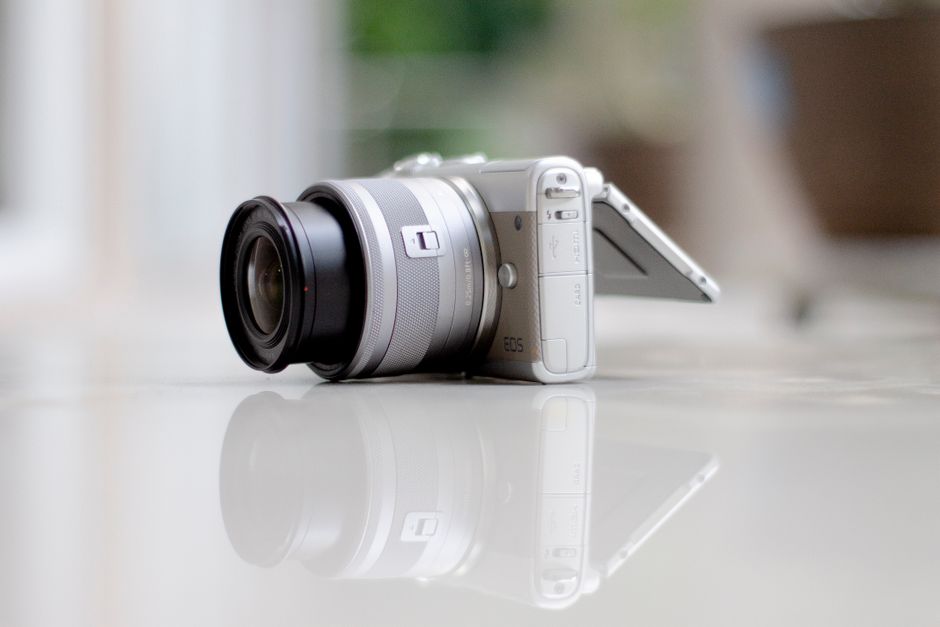
The digital video landscape has transformed irrevocably. Over the past five years, consumer video consumption shifted dramatically toward high-energy YouTube long-form essays, travel vlogs, and vertical short-form video on TikTok and Instagram Reels. While flagship smartphones have made capturing video effortless, serious creators quickly hit hardware boundaries: smartphone lenses introduce distorted wide-angle facial warping, small phone sensors struggle in dim indoor lighting, and internal phone microphones capture hollow, echoing audio in windy city streets.
To empower creators, manufacturers have built a specialized category of dedicated Creator Vlogging Cameras. Featuring articulating flip-out selfie touchscreens, high-speed ‘Product Showcase’ autofocus, integrated directional 3-capsule microphone arrays, and large 1-inch and APS-C sensors that deliver natural creamy background bokeh, these cameras make producing broadcast-quality video effortless. In this comprehensive creator guide, we benchmark the Sony ZV-E10 II, DJI Osmo Pocket 3, and Sony ZV-1 II across gimbal stabilization, face tracking, audio clarity, and workflow speed.
Table of Contents
- Sensor Form Factors: 1-Inch Gimbal vs APS-C Interchangeable Lens
- Autofocus Innovations: Product Showcase & Face Priority Auto Exposure
- On-Board Audio & Wind Noise Rejection: 3-Capsule Microphones
- Vertical Video Workflows: Native 9:16 for TikTok and YouTube Shorts
- Stabilization: Mechanical 3-Axis Gimbal vs Electronic Active EIS
- The Master Vlogging Camera Decision Matrix & Verdict
- In Conclusion
Sensor Form Factors: 1-Inch Gimbal vs APS-C Interchangeable Lens
When choosing a dedicated vlogging camera, the primary structural decision is whether you want an all-in-one pocket gimbal or an interchangeable lens mirrorless body. As explored in our Action Cameras Ranked: GoPro Hero vs DJI Osmo Action vs Insta360 Ace Pro review, sensor size and physical stabilization dictate your video aesthetic.
The DJI Osmo Pocket 3 revolutionized mobile content creation by packing a massive 1-inch CMOS sensor onto a motorized 3-axis mechanical gimbal that fits in your jacket pocket. The 1-inch sensor is three times larger than traditional action cameras, capturing rich 10-bit D-Log M color and clean low-light night video with genuine shallow depth of field.
The Sony ZV-E10 II steps up to a full APS-C sensor (26MP) with interchangeable Sony E-mount lenses. The APS-C sensor is three times larger than the Pocket 3’s 1-inch sensor, allowing creators to mount ultra-fast f/1.4 prime lenses for breathtaking cinematic bokeh, or ultra-wide zoom lenses for room tours and real estate vlogging.
| Vlogging Camera | Sensor Format & Size | Lens System | Stabilization Mechanism | Pocketability Level |
|---|---|---|---|---|
| DJI Osmo Pocket 3 | 1.0-inch CMOS Sensor | Fixed 20mm f/2.0 equivalent | Mechanical 3-Axis Motorized Gimbal | 10 / 10 (Fits in jacket pocket / purse) |
| Sony ZV-E10 II | APS-C BSI Exmor R (26MP) | Interchangeable Sony E-Mount (70+ lenses) | Electronic Active EIS (Lens OSS dependent) | 7.0 / 10 (Requires small shoulder bag) |
| Sony ZV-1 II | 1.0-inch Stacked Exmor RS | Fixed 18-50mm f/1.8-4.0 Optical Zoom | Optical SteadyShot + Active EIS | 9.0 / 10 (Compact point-and-shoot pocket) |
| Canon PowerShot V10 | 1.0-inch CMOS Sensor | Fixed 19mm f/2.8 ultra-wide | Digital Movie EIS only | 9.5 / 10 (Pocketable vertical block) |

Autofocus Innovations: Product Showcase & Face Priority Auto Exposure
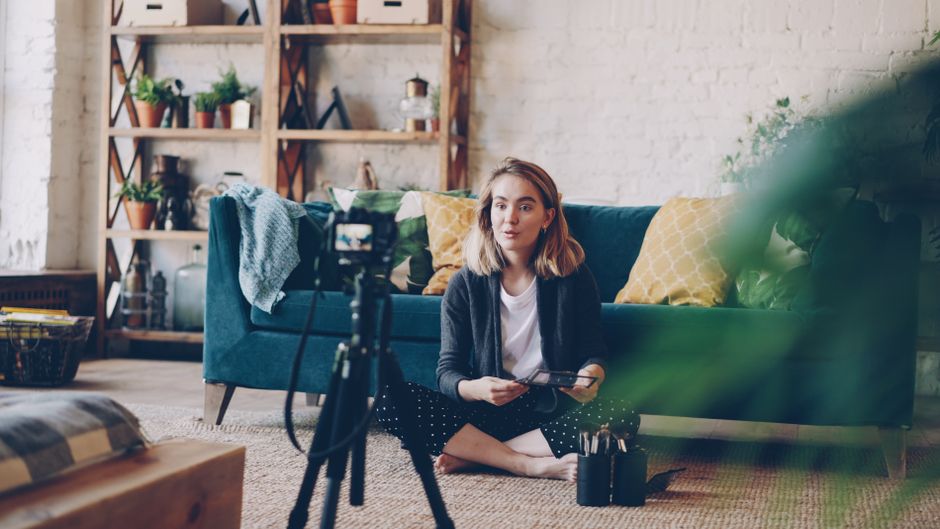
Nothing breaks the immersion of a YouTube tech review or makeup tutorial like autofocus hunting. On traditional cameras, when a presenter holds up a lipstick tube or smartphone toward the lens, the camera’s autofocus stays locked onto their face, keeping the product completely blurry.
Sony engineered the Product Showcase Setting on the ZV series. When enabled, the camera instantly shifts focus to any physical object held between the lens and your face without requiring you to awkwardly cover your eyes with your hand. The moment you drop the product, focus snaps back to your eye in 0.1 seconds.
Furthermore, Face Priority Auto Exposure (AE) ensures that as you walk from bright outdoor afternoon sunlight into a dark subway station, the camera’s metering algorithms prioritize your face, keeping your skin tones perfectly exposed regardless of how violently the background light shifts.
| Vlogging Feature | Sony ZV-E10 II | DJI Osmo Pocket 3 | Sony ZV-1 II |
|---|---|---|---|
| Product Showcase Mode | Yes (Instantaneous transition) | Yes (Dedicated Product Showcase mode) | Yes (Instantaneous transition) |
| Face Priority Auto Exposure | Yes (Locks face brightness in changing light) | Yes (Smart Face Tracking auto-metering) | Yes (Locks face brightness) |
| Autofocus Tracking Technology | Real-Time Eye AF (Humans & Animals) | ActiveTrack 6.0 (Face / Dynamic Framing) | Real-Time Eye AF (759 Phase points) |
| Bokeh Switch Button | Physical C1 button toggles f/1.4 blur instantly | Natural optical blur from 1-inch sensor | Physical C1 button toggles ND filter/blur |

On-Board Audio & Wind Noise Rejection: 3-Capsule Microphones
Audio represents 50% of the video viewing experience. In run-and-gun vlogging scenarios where mounting an external shotgun microphone is too cumbersome, built-in microphone arrays must perform flawlessly.
The Sony ZV-E10 II incorporates an upgraded Directional 3-Capsule Microphone with user-selectable polar patterns: you can configure the internal mic to capture audio exclusively from the Front (isolating your voice while talking to the lens), from the Rear (capturing your voice while filming scenery), or in All Directions (capturing atmospheric ambient sounds). An included fluffy deadcat windscreen snaps directly onto the multi-interface shoe to eliminate wind buffeting.
The DJI Osmo Pocket 3 features three omnidirectional stereo microphones with advanced wind noise reduction, and includes an internal DJI Mic 2 wireless receiver. You can pull a DJI Mic 2 transmitter out of your pocket, clip it to your shirt, and it pairs directly to the Pocket 3 wirelessly with zero receiver dongles.
| Camera Model | Internal Microphone Array | Selectable Polar Direction | Deadcat Windscreen Included? | Direct Wireless Mic Pairing? |
|---|---|---|---|---|
| Sony ZV-E10 II | Directional 3-Capsule Studio Mic | Yes (Front, Rear, All Directions) | Yes (Snaps onto MI shoe) | Sony Bluetooth Microphones (ECM-W3) |
| DJI Osmo Pocket 3 | Omnidirectional 3-Mic Array | Yes (Stereo & Wind Reduction modes) | Available in Creator Combo | Yes (Direct pairing to DJI Mic 2 via Bluetooth) |
| Sony ZV-1 II | Directional 3-Capsule Mic | Yes (Auto, Front, Rear, All) | Yes (Included in the box) | Sony Wireless Grip / Mics |
| Canon PowerShot V10 | Built-in Large Stereo Mics | Fixed Stereo | Magnetic foam covers included | No (Standard 3.5mm mic jack) |

Vertical Video Workflows: Native 9:16 for TikTok and YouTube Shorts
In 2026, over 70% of social video content is consumed vertically on smartphones. Traditionally, creators had to mount their cameras sideways on vertical L-brackets, or crop 4K horizontal footage in post-production, losing 60% of their sensor resolution.
The DJI Osmo Pocket 3 solves this mechanically with its Rotatable 2.0-inch OLED Touchscreen. When you physically twist the screen 90 degrees with your thumb, the motorized camera gimbal rotates vertically in half a second, capturing full-sensor native 9:16 vertical video up to 3K resolution.
The Sony ZV-E10 II features Adaptive Vertical UI: when you rotate the camera vertically, all on-screen menu icons, audio decibel meters, and record buttons automatically rotate 90 degrees into a vertical layout. Furthermore, video metadata is tagged as vertical, ensuring clips import into Instagram, TikTok, and Premiere Pro in vertical orientation automatically.
| Vlogging Camera | Vertical Video Mechanism | Vertical Screen UI Rotation | Max Vertical Resolution | TikTok / Shorts Speed |
|---|---|---|---|---|
| DJI Osmo Pocket 3 | Mechanical Gimbal Rotates 90° (Screen twist) | Automatic (2.0in OLED rotates) | 3K (3072 x 3072) / 1080p 60 FPS | 10 / 10 (Fastest vertical workflow on earth) |
| Sony ZV-E10 II | Orient camera sideways (UI auto-rotates) | Full Vertical Touch UI layout | 4K 60 FPS (Full Sensor 10-bit) | 9.0 / 10 (Requires holding camera vertically) |
| Sony ZV-1 II | Orient camera sideways | Standard UI rotation | 4K 30 FPS | 8.5 / 10 |
| Canon PowerShot V10 | Built-in integrated kickstand tilts vertically | Vertical UI native | 4K 30 FPS | 9.0 / 10 (Stands upright on tables) |

Stabilization: Mechanical 3-Axis Gimbal vs Electronic Active EIS
A signature hallmark of amateur vlogging is shaky, nauseating camera jitter while walking down streets or hiking trails. How these cameras stabilize video separates good clips from cinematic art.
The DJI Osmo Pocket 3 uses a physical 3-axis brushless motorized gimbal. The camera lens physically floats on miniature brushless motors that counteract pitch, roll, and yaw movements with sub-millimeter precision. Because stabilization is purely mechanical, there is zero image cropping and zero digital distortion artifacts (jello warping), yielding buttery smooth walking shots that look like professional Steadicam footage.
The Sony ZV-E10 II and ZV-1 II utilize Active Mode Electronic Image Stabilization (EIS). While it smooths out minor hand tremors effectively, Active Mode applies an approximate 1.1x to 1.33x digital crop to your video frame. When paired with an ultra-wide lens (like the Sony 11mm f/1.8), it is very usable, but cannot match the silky, floating perfection of DJI’s physical gimbal.
| Stabilization System | Stabilization Type | Image Crop Applied | Walking Down Stairs Smoothness | Night Video Jello Warping |
|---|---|---|---|---|
| DJI Osmo Pocket 3 | Physical 3-Axis Motorized Gimbal | 0% (Zero crop applied) | 10 / 10 (Buttery smooth Steadicam glide) | Zero Warping (Pure mechanical stabilization) |
| Sony ZV-E10 II (Active EIS) | Electronic Gyroscopic Stabilization | 1.1x – 1.25x Digital Crop | 7.5 / 10 (Good for slow walking) | Minor shutter jello in dim lighting |
| Sony ZV-1 II (Active EIS) | Optical SteadyShot + Digital EIS | 1.23x Digital Crop (Turns 18mm into 22mm) | 7.0 / 10 (Moderate walking jitter) | Noticeable edge warping in low light |
The Master Vlogging Camera Decision Matrix & Verdict
Selecting the ultimate creator camera depends on your filming environment, travel style, and visual ambitions.
The DJI Osmo Pocket 3 ($519 / $669 Creator Combo) is our runaway #1 Editor’s Choice for travel vloggers, solo content creators, and TikTokers. Its combination of an all-in-one motorized mechanical gimbal, massive 1-inch sensor, rotatable vertical OLED screen, and direct wireless mic pairing makes it the most revolutionary vlogging tool of this decade.
If you produce studio talking-head YouTube essays, tech unboxings, or want cinematic depth of field with interchangeable lenses, the Sony ZV-E10 II ($998 with 16-50mm kit) is an unbeatable production powerhouse.
For budget-conscious creators wanting a standalone pocket webcam and daily desk vlogger, the Sony ZV-1 II ($798) or Canon PowerShot V10 ($429) provide compact, hassle-free simplicity.
| Rank & Model | Target Creator | Key Advantage | MSRP Tier | Overall Score |
|---|---|---|---|---|
| 1. DJI Osmo Pocket 3 | Travel Vloggers, TikTokers & Mobile Creators | 3-Axis Motorized Gimbal + 1-inch Sensor + Direct Wireless Mic | $519 – $669 | 9.9 / 10 (Editor's Choice) |
| 2. Sony ZV-E10 II | YouTube Studio Creators & Hybrid Videographers | APS-C sensor, interchangeable lenses, 4K 60p 10-bit, Product Showcase | $998 (With Lens) | 9.6 / 10 (Best Studio Hybrid) |
| 3. Sony ZV-1 II | Pocket Point-and-Shoot Vloggers | Ultra-wide 18-50mm zoom lens + Built-in ND filter + Pocket size | $798 | 9.1 / 10 (Best All-in-One) |
| 4. Canon PowerShot V10 | Budget Beginners & Tabletop Streamers | Integrated kickstand, tiny pocket vertical block, simple UI | $429 | 8.5 / 10 (Best Budget) |
✓ What We Love
- DJI Osmo Pocket 3 mechanical 3-axis gimbal delivers buttery Steadicam stabilization with zero video cropping
- Pocket 3 rotating 2-inch OLED screen switches instantly from 16:9 horizontal to native 9:16 vertical video
- Sony ZV-E10 II Product Showcase autofocus transitions focus from face to products in under 0.1 seconds
- Large 1-inch and APS-C sensors capture clean low-light video with natural cinematic background bokeh
- Directional 3-capsule microphones with included windscreens isolate creator speech outdoors without bulky mics
✗ Things to Consider
- DJI Osmo Pocket 3 fixed 20mm lens cannot zoom optically and is not waterproof for action sports
- Sony ZV-E10 II Active EIS applies a digital crop factor, requiring wide-angle lenses for arm’s-length vlogging
Price Comparison
Looking for the Best Deals on Vlogging & Creator Cameras?
Don’t overpay. Compare real-time prices across major online retailers before buying.
In Conclusion
Content creation has evolved from a casual hobby into a vibrant global industry of independent visual storytelling. Investing in a purpose-built vlogging camera frees you from the thermal throttling, distorted wide-angle lenses, and poor microphones of smartphones, giving your content the cinematic polish it deserves.
Whether you harness the pocketable mechanical gimbal wizardry of the DJI Osmo Pocket 3 or the interchangeable lens creative versatility of the Sony ZV-E10 II, upgrading your camera kit will captivate your audience and accelerate your creative growth.