- Home
- Electronics
- Audio & Headphones
- Sony WH-1000XM5 vs Sennheiser ...


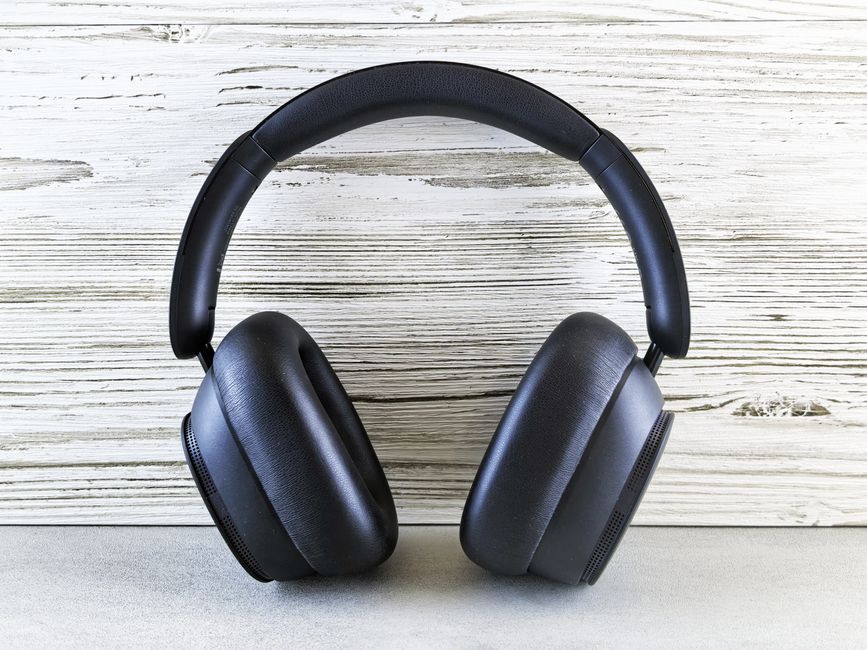
The premium active noise-cancelling (ANC) headphone market is fiercely competitive, with two titans consistently vying for supremacy: Sony and Sennheiser. Their latest flagship offerings, the Sony WH-1000XM5 and the Sennheiser Momentum 4 Wireless, represent the pinnacle of audio engineering, smart features, and noise cancellation technology. For discerning audiophiles and casual listeners alike, the choice between these two can be a significant dilemma, impacting everything from daily commutes to long-haul flights. Our objective in this comprehensive buying guide is to cut through the marketing jargon, provide rigorous technical analysis, and offer a definitive verdict on which pair truly delivers the superior sound experience, alongside a holistic assessment of their performance across key metrics.
Both the WH-1000XM5 and Momentum 4 leverage advanced acoustic designs, proprietary digital signal processing (DSP), and sophisticated multi-microphone arrays to achieve their class-leading performance. Sony’s integrated Processor V1 and HD Noise Cancelling Processor QN1 work in concert to manage ANC and audio upscaling, while Sennheiser employs its Transducer Technology and adaptive noise cancellation. We will delve into the nuances of their driver architectures, Bluetooth codec support, battery longevity, and crucially, their subjective and objective sound profiles, evaluating how these hardware and software choices translate into real-world listening experiences and overall value.
Table of Contents
- Acoustic Architecture and Sound Signature
- Active Noise Cancellation (ANC) and Transparency Modes
- Design, Comfort, and User Experience
- Long-Term Value, Durability, and Future-Proofing
- What We Love & Considerations
- Final Verdict
Acoustic Architecture and Sound Signature
The Sony WH-1000XM5 features newly developed 30mm drivers, a departure from the 40mm units in previous generations. Despite the size reduction, Sony claims enhanced high-frequency reproduction and overall clarity, driven by their integrated V1 processor. The sound profile tends towards a consumer-friendly ‘V-shape’ out of the box, with a slightly elevated bass and treble, which can be EQ’d via the Sony Headphones Connect app. Mid-range presence is generally good, but can sometimes feel recessed compared to the more prominent bass and highs. Sony’s LDAC codec support ensures high-resolution audio transmission for compatible devices, offering a theoretical maximum bitrate of 990 kbps.
Sennheiser, conversely, equips the Momentum 4 with larger, purpose-built 42mm dynamic drivers, renowned for their natural and balanced sound reproduction. The Momentum 4 aims for a more neutral, ‘audiophile-grade’ sound signature straight from the factory, emphasizing clarity, detail, and a wide soundstage. Bass is impactful but controlled, mids are articulate and present, and highs are extended without being harsh. Sennheiser supports aptX Adaptive, providing excellent low-latency and high-quality audio, dynamically adjusting bitrate up to 420 kbps based on signal strength. The larger drivers often contribute to a more effortless dynamic range and deeper bass extension, which is evident in the Momentum 4’s performance.
Active Noise Cancellation (ANC) and Transparency Modes
ANC performance is a critical differentiator for flagship headphones. Sony’s WH-1000XM5 utilizes eight microphones and both the V1 and QN1 processors to deliver what is arguably the industry’s benchmark in noise cancellation, particularly for mid-to-low frequency continuous hums like airplane engines or HVAC systems. Its adaptive ANC intelligently adjusts to environmental changes. The Ambient Sound mode is also highly effective, allowing natural-sounding passthrough audio with adjustable levels. Speak-to-Chat automatically pauses music and activates ambient sound when you speak, a convenient, albeit sometimes overly sensitive, feature.
The Sennheiser Momentum 4 employs adaptive noise cancellation with four microphones, effectively suppressing a wide range of ambient noise. While extremely competent, its ANC is generally considered to be a hair behind Sony’s best-in-class performance, especially in the lowest frequencies. However, the difference is often negligible in real-world scenarios for most users. The Transparency Mode on the Momentum 4 is excellent, providing clear and natural audio passthrough. Both headphones offer wind noise reduction, but Sony’s implementation often feels more refined, mitigating wind interference more effectively during calls or outdoor listening.
| Specification / Metric | Sony WH-1000XM5 | Sennheiser Momentum 4 |
|---|---|---|
| Driver Size | 30mm Dynamic | 42mm Dynamic |
| Bluetooth Codecs | SBC, AAC, LDAC | SBC, AAC, aptX, aptX Adaptive |
| Battery Life (ANC On) | Up to 30 hours | Up to 60 hours |
| Microphones (ANC/Call) | 8 (4 per ear cup) | 4 (2 per ear cup) |
| Weight | 250g | 293g |
| Fast Charging | 3 min for 3 hrs | 5 min for 4 hrs |
| Design | Seamless, fixed yokes | Foldable, traditional hinge |
| Price (MSRP) | $399.99 | $349.95 |
Design, Comfort, and User Experience
The WH-1000XM5 introduces a radical redesign compared to its predecessors, featuring a more streamlined, seamless aesthetic with fixed yokes that no longer fold inwards. While this enhances durability and reduces creaking, it makes them less compact for travel. Comfort is exceptional, with soft, supple synthetic leather earcups and a lightweight build (250g) that allows for extended wear without fatigue. Touch controls are intuitive and responsive, and the Sony Headphones Connect app offers extensive customization, including EQ, ANC levels, and spatial audio features. Call quality is a significant improvement over previous Sony models, thanks to improved beamforming microphones.
The Sennheiser Momentum 4 retains a more traditional, foldable design, making it more travel-friendly. Despite being slightly heavier (293g), its deep, plush earcups and well-distributed clamping force ensure excellent long-term comfort, arguably surpassing the XM5 for some users due to better ear clearance. The Smart Control app provides robust EQ options, sound zones, and other personalization features. The Momentum 4’s battery life is a standout feature, offering an incredible 60 hours with ANC activated, nearly double that of the XM5. Call quality is also very strong, providing clear voice pickup even in moderately noisy environments, though perhaps not quite matching the XM5’s advanced noise suppression for the caller’s voice.
Long-Term Value, Durability, and Future-Proofing
Both headphones are built with high-quality materials, but their design philosophies diverge. Sony’s integrated design, while sleek, means the earcups are not user-replaceable, potentially impacting long-term maintenance. The fixed yokes, while robust, might be a point of concern for some regarding hinge longevity compared to traditional designs. Both brands offer software updates, ensuring continued feature improvements and bug fixes. The inclusion of LDAC and aptX Adaptive ensures they are compatible with the highest quality Bluetooth audio available today, making them reasonably future-proof for several years.
Sennheiser’s Momentum 4, with its more conventional yet robust build, feels exceptionally durable. The foldable design, while adding a potential point of failure (hinges), is well-engineered. The user-replaceable ear pads are a definite advantage for longevity and hygiene. Given the 60-hour battery life, the Momentum 4 offers unparalleled endurance, reducing charge anxiety for frequent travelers. For users prioritizing raw battery performance and a more traditional, repair-friendly design, the Momentum 4 presents a compelling long-term value proposition. Ultimately, the choice between these two will hinge on whether one prioritizes Sony’s slightly superior ANC and refined app experience or Sennheiser’s more balanced sound, exceptional battery life, and traditional build quality.
What We Love & Things to Consider
✓ What We Love
- Sony XM5: Best-in-class ANC performance for most scenarios
- Sony XM5: Excellent call quality with superior voice isolation
- Sony XM5: Lightweight and exceptionally comfortable for extended wear
- Sennheiser Momentum 4: Superior, neutral, and detailed audio fidelity
- Sennheiser Momentum 4: Phenomenal 60-hour battery life
- Sennheiser Momentum 4: Foldable design for improved portability
✗ Things to Consider
- Sony XM5: Non-foldable design reduces portability; lower battery life than Momentum 4
- Sony XM5: Sound profile might require EQ for audiophile preference (V-shaped out of box)
- Sennheiser Momentum 4: ANC is very good, but slightly trails XM5 in extreme low frequencies
- Sennheiser Momentum 4: Slightly heavier than the XM5
Price Comparison
Looking for the Best Deals on Sony WH-1000XM5 & Sennheiser Momentum 4?
Don’t overpay. Compare real-time prices across major online retailers before buying.
Final Verdict
For audiophiles prioritizing a neutral, detailed, and expansive soundstage with unparalleled battery life, the Sennheiser Momentum 4 is the clear winner. Its 42mm drivers deliver an exceptional listening experience that remains faithful to the source material, making it the ‘better sounding’ headphone in a purely sonic context for critical listening. However, if your primary concern is absolute, class-leading active noise cancellation for frequent travel, superior call quality, and a lighter, more streamlined design, the Sony WH-1000XM5 remains an incredibly compelling choice. Both are phenomenal, but the Momentum 4 edges out the XM5 for those who put pristine audio fidelity at the absolute top of their priority list.
